
Causes of Sprinkler Electrical Failures in Kyle
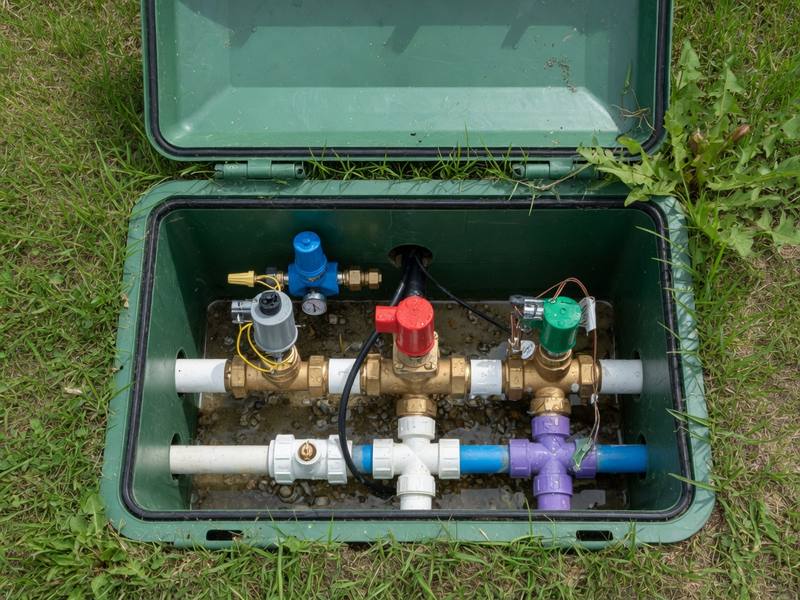
Your sprinkler system runs on more than just water pressure. Hidden beneath your lawn is a network of wires, valves, and controllers that all need to work together. When the electrical side fails, your whole system can stop cold—leaving dry patches, flooded beds, or zones that simply refuse to turn on.
If your sprinklers have been acting strange, faulty wiring might be the culprit. In this guide, you’ll learn what causes electrical failures in irrigation systems, how to spot the warning signs, and why professional repair keeps your lawn healthy and your system safe. This post is written for homeowners who want a clear answer without the technical guesswork.
Let’s break down what’s really going on beneath the surface.
How Wiring Problems Stop Your Sprinklers from Working
Every sprinkler zone relies on a signal traveling from the controller to a valve. That signal moves through low-voltage wiring buried in your yard. When the wiring breaks down, the message never arrives—and the valve never opens.
Here’s what that looks like in practice:
- A zone won’t turn on, even though the controller says it should.
- Sprinklers run at the wrong times or won’t shut off.
- The controller display flickers, resets, or goes blank.
- Multiple zones fail at once for no obvious reason.
Key takeaway: If water isn’t reaching a zone but the pipes are fine, the problem is almost always electrical.
Common Causes of Electrical Failures
Wiring issues rarely happen out of nowhere. Most trace back to a handful of predictable problems. Knowing these helps you understand what a technician will look for.
1. Damaged or Corroded Wires
Buried wires face constant moisture, shifting soil, and temperature swings. Over time, insulation cracks and copper corrodes. Corroded connections lose their ability to carry a signal, so the valve stops responding.
2. Rodent and Landscaping Damage
Gophers, rabbits, and other critters chew through wiring. Aeration equipment, shovels, and digging projects can also slice a line without anyone noticing until a zone quits.
3. Faulty Solenoids and Valves
The solenoid is the small electrical component that tells a valve to open. When it burns out or shorts, the valve won’t respond—even with perfect wiring everywhere else.
4. Controller and Transformer Issues
The controller is the brain of your system. A failed transformer, blown fuse, or power surge can knock out one zone or the entire setup.
Common mistake: Assuming a dead zone means a broken sprinkler head. Often, the head is fine and the wiring behind it is the real issue.
Warning Signs You Shouldn’t Ignore
Catching electrical trouble early saves you money and prevents lawn damage. Watch for these red flags:
- Zones that skip: One or more areas stay dry while others water normally.
- Erratic scheduling: Sprinklers run at odd hours or ignore your program.
- A controller that won’t hold settings: Frequent resets point to a power or wiring fault.
- Buzzing or clicking sounds: These can signal a struggling solenoid.
- Unexpected water bills: Valves stuck open from electrical faults waste hundreds of gallons.
If you notice any of these, don’t wait. Small electrical faults tend to spread as moisture reaches more of the wiring.
Try this: Test each zone manually from your controller. If a zone stays silent, note it—that detail helps your technician diagnose the problem faster.
Why Professional Repair Matters
Sprinkler wiring might be low-voltage, but tracking down a fault is genuinely tricky. The wires run underground, connections hide inside valve boxes, and one bad splice can mimic several other problems.
Here’s why calling a pro pays off:
- Accurate diagnosis: Technicians use specialized tools to trace faults without digging up your whole yard.
- Safe repairs: Proper connections and waterproof splices prevent repeat failures.
- Time and cost savings: Guesswork often leads to replaced parts you didn’t need. A trained eye finds the actual issue fast.
- System longevity: Correct repairs protect your controller, valves, and the rest of your components.
Trying to fix wiring yourself often turns a small repair into a bigger, more expensive one. A professional gets it right the first time.
How Kyle Sprinkler Repair Solves Electrical Failures
At Kyle Sprinkler Repair, we specialize in getting your system back on track quickly. Our team handles the full range of electrical issues so you don’t have to.
Our wiring repair services include:
- Wiring repair: Fixing damaged, corroded, or chewed wires throughout your system.
- Solenoid repair: Replacing faulty solenoids so valves respond correctly.
- Controller repair: Repairing or replacing controllers that won’t hold a program.
- Valve repair: Restoring valves that stick open or refuse to open.
When a problem can’t wait, our emergency team is ready around the clock:
- Emergency electrical repair: Fast fixes for urgent wiring faults.
- Emergency system shutoff: Immediate action to stop wasted water and flooding.
- 24/7 service calls: Real help any hour, any day.
A stuck valve or shorted wire can flood your lawn overnight. Our quick response prevents that kind of damage before it starts.
Get Your Sprinkler System Back to Work
Electrical failures can quietly damage your lawn and inflate your water bill, but they’re completely fixable. The signs are usually clear: dead zones, erratic scheduling, or a controller that won’t cooperate. The causes range from corroded wires to worn solenoids and controller faults. And the smartest move is calling a professional before a small problem grows.
Don’t let faulty wiring leave your lawn thirsty or your beds flooded. The team at Kyle Sprinkler Repair is ready to diagnose the issue and restore your system with lasting, expert repairs.
Call (555) 010-7106 — phone only, no online forms. Whether it’s a stubborn zone or a full-blown emergency, we’ll get your sprinklers running the way they should—fast.
Call 737-320-5800 Services FAQ