
How to Adjust Sprinkler Pressure in Kyle
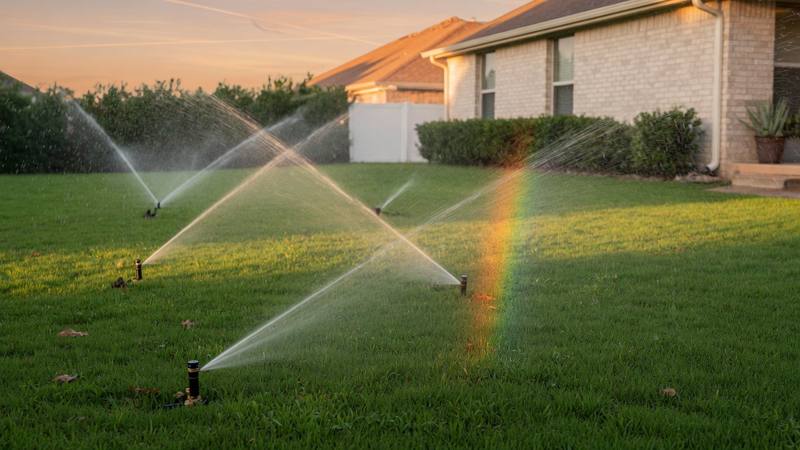
Water pressure is the quiet hero of a healthy lawn. When it’s set just right, your sprinklers deliver even, gentle coverage that keeps grass green and garden beds thriving. But when the pressure drifts too high or too low, your whole system suffers, and so does your yard. The good news? You can spot the warning signs and make many adjustments yourself.
Let’s walk through why water pressure matters, how to tell when yours is off, and the steps you can take to fix it.
Why Proper Water Pressure Matters
Your sprinkler system is designed to run within a specific pressure range. Most residential systems work best somewhere between 30 and 50 PSI (pounds per square inch), though the exact number depends on your sprinkler heads and layout.
When the pressure sits in that sweet spot, water reaches every corner of your lawn in a steady, controlled spray. Go outside that range and you’ll see problems fast:
- Wasted water and higher bills from misting or uneven coverage
- Dry patches where water never quite reaches
- Damaged components that wear out long before they should
- Stressed plants that get too much or too little moisture
Getting the pressure right protects both your lawn and your wallet.
Signs Your Water Pressure Is Too High
High pressure is sneaky. Your sprinklers might look like they’re working fine, but they’re actually working against you. Watch for these clues:
- Misting or fogging. Instead of clear droplets, water leaves the head as a fine mist that drifts away in the wind before it lands.
- Overspray. Water shoots past your lawn onto driveways, sidewalks, or the street.
- Frequent leaks or broken heads. Too much force strains fittings, cracks pipes, and pops heads out of the ground.
- A hissing sound at the heads when the system runs.
High pressure doesn’t just waste water. It slowly breaks down the parts you paid good money to install.
Signs Your Water Pressure Is Too Low
Low pressure is usually easier to spot because your lawn tells the story:
- Weak spray that barely reaches a few feet from the head.
- Heads that don’t pop up all the way or fail to rotate.
- Dry, brown patches where coverage falls short.
- Zones that seem to compete for water, with some running strong and others trickling.
If your grass looks thirsty even after a full watering cycle, low pressure is often the reason.
How to Adjust Water Pressure in Your Sprinkler System
Ready to bring things back into balance? Here’s a step-by-step approach you can follow.
1. Check Your Current Pressure
Start by measuring what you’re working with. Attach a pressure gauge to an outdoor spigot or a sprinkler riser, then run the system. Compare the reading to the range recommended for your sprinkler heads. This simple Pressure Check tells you whether you need to raise or lower the pressure, and by how much.
2. Locate the Pressure Regulator
Many systems include a pressure regulator near the main water line or backflow preventer. This valve controls the flow entering your system. If you have one, you can turn the adjustment screw to fine-tune the pressure:
- Turn it clockwise to increase pressure.
- Turn it counterclockwise to decrease it.
Make small changes, then re-check the gauge. Little adjustments go a long way.
3. Adjust the Sprinkler Heads
Sometimes the pressure at the source is fine, but individual heads spray too far or not far enough. Most heads have a small screw on top that lets you control the reach and flow. A quick Head Adjustment can dial in the spray distance and reduce misting or overspray without touching the main pressure.
4. Inspect Each Zone
If one area of your yard behaves differently from the rest, the problem may be isolated to a single zone. A Zone Inspection helps you find clogged heads, cracked lines, or a stuck valve that’s throwing off the balance. Clearing debris or replacing a worn part often restores even pressure across the board.
5. Consider a Full System Tune-Up
Pressure issues rarely travel alone. Clogged filters, misaligned heads, and aging valves all play a role. A System Tune-Up takes a top-to-bottom look at your entire setup, so every zone runs the way it should. Think of it as a health check that catches small problems before they turn into expensive repairs.
When to Call a Professional
Some pressure fixes are simple weekend projects. Others point to deeper issues, like a failing regulator, a hidden leak, or a mainline problem, that need trained eyes and the right tools. If you’ve adjusted the heads and the regulator but the pressure still won’t cooperate, it’s time to bring in help.
A professional can measure pressure accurately, pinpoint the true source of the trouble, and make lasting repairs. That saves you time, water, and the frustration of guessing.
Get Expert Help From Kyle Sprinkler Repair
You don’t have to tackle water pressure problems on your own. At Kyle Sprinkler Repair, we handle everything from Pressure Checks and Head Adjustments to Zone Inspections and complete System Tune-Ups. Our team gets your sprinklers running at their best, so your lawn stays healthy and your water bill stays low.
Ready for even, worry-free watering? Call (555) 010-7106 — phone only, no online forms, and let us take care of the rest.
Call 737-320-5800 Services FAQ